

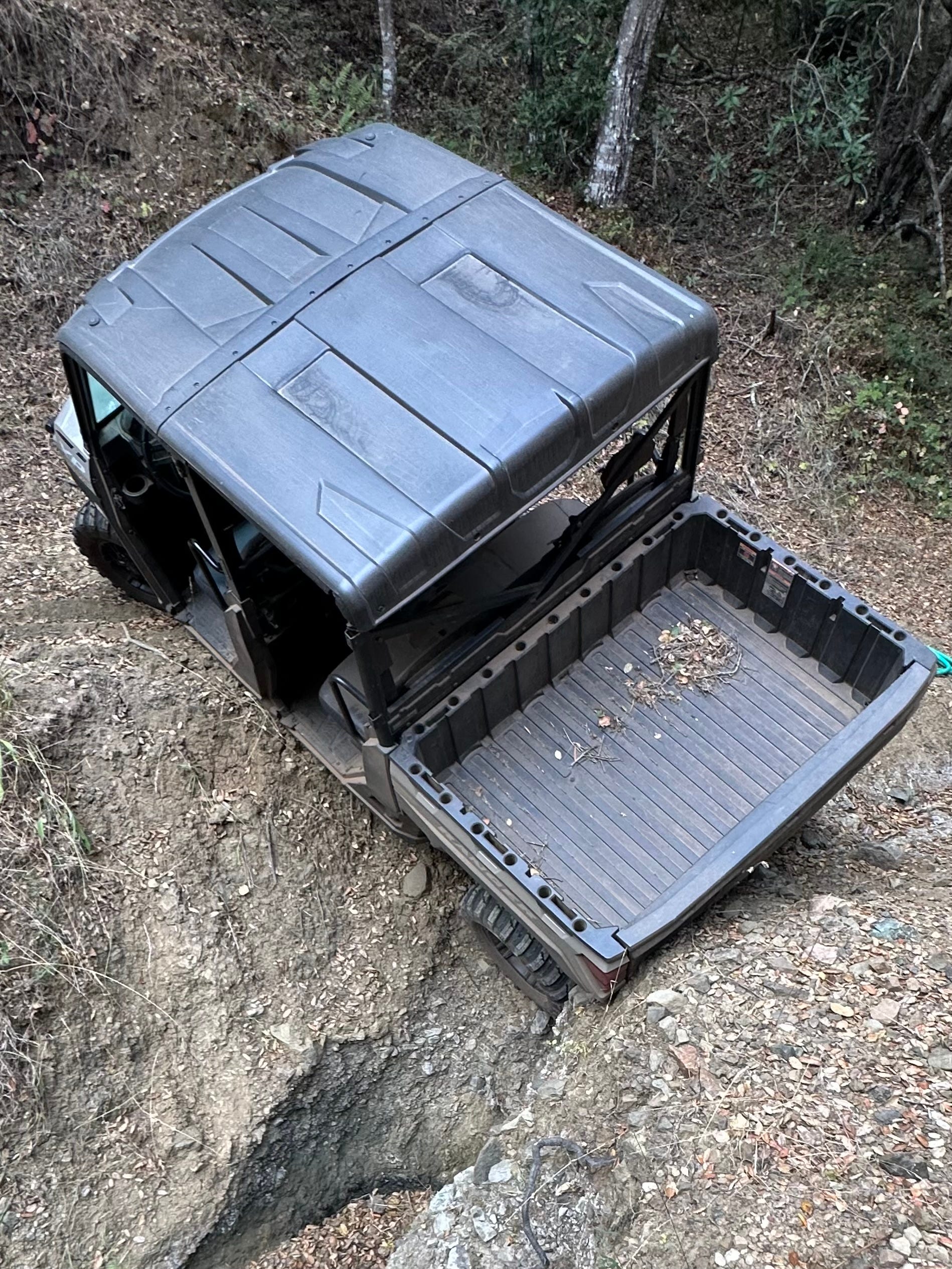
Sometimes it takes a teenager in a ditch to get things moving.
Rose didn’t mean to accelerate our drainage program, but here we are — and she’d be the first to take credit for the improvement. She isn’t entirely wrong.
All summer I’d been navigating that bend with the focused attention of a man who understood the consequences of a lapse. A seasonal drainage crossed the road there, and the runoff had been winning the argument with the roadbed for long enough to instill faith in an atheist. Side-by-side only, dry weather only, full attention every time.
I filed it under eventually.
Rose moved it to immediately.
The enabler, as it turned out, was Andrew — one of the former residents of what we call the Surfer House. Andrew knew I wanted to rehabilitate the ranch “roads,” which were glorified trails that barely tolerated a side-by-side on a good day. He wanted the work, put together a proposal, and pointed me toward 7th Generation Design as an inspiration. I appreciate Andrew’s ambition.
I reached out to Wes Cooke.
Wes suggested what he called a Walk and Talk, a ranch-wide water management plan, and immediate action on the three spots that couldn’t wait.
Simple enough.
That was October 2024.
We’re still going.
Before Wes, my understanding of ranch roads could be summarized as follows: they somewhat existed, they were seasonally unreliable, and a tractor with a box scraper could probably make things right.
The Walk and Talk suggested otherwise.
Wes arrived with Mac — hydrogeologist, designer, equipment operator, and, in one of those ranch coincidences, a former tenant of the Surfer House. Mac had spent a particularly wet winter on the property and had already developed an intimate relationship with our drainage patterns.
Afterward, Wes sent a report.
The document was earnest, comprehensive, and largely incomprehensible to anyone not fluent in Environmental Science-speak. The words were English. The implications were a foreign language.
What followed was an ongoing vocabulary acquisition program.
Incised roads.
Headcuts.
Sloughing banks.
Rolling dips.
Medialunas.
Zuni Bowls.
Dissipation pools.
I eventually stopped pretending to understand all of it and filed most of the terminology under Trust Wes.
Underneath all the vocabulary was one simple idea: work with water, not against it.
Water is a seasonal guest — eagerly awaited, briefly present, and spectacularly messy on the way out. The least you can do is host it graciously and show it to the door with gratitude.
The first project wasn’t the Incident Site.
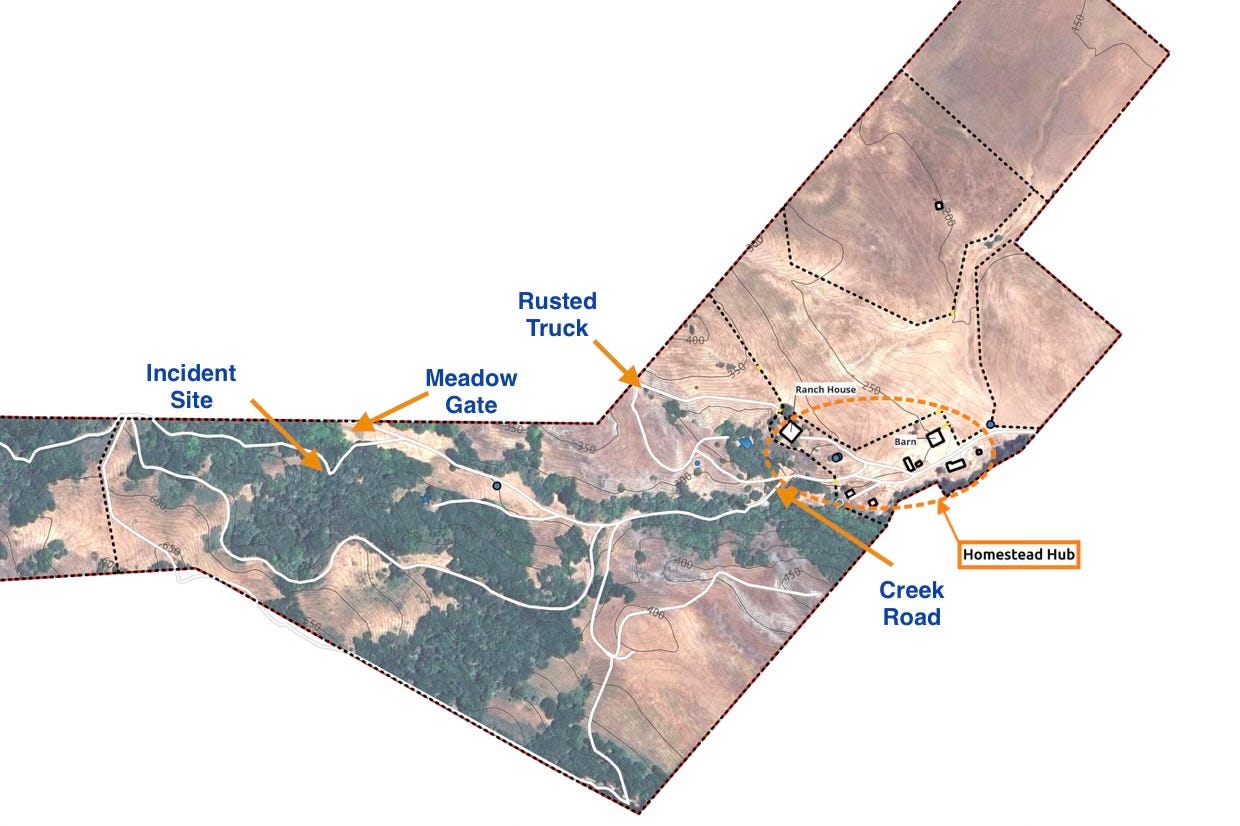
It was the creek road.
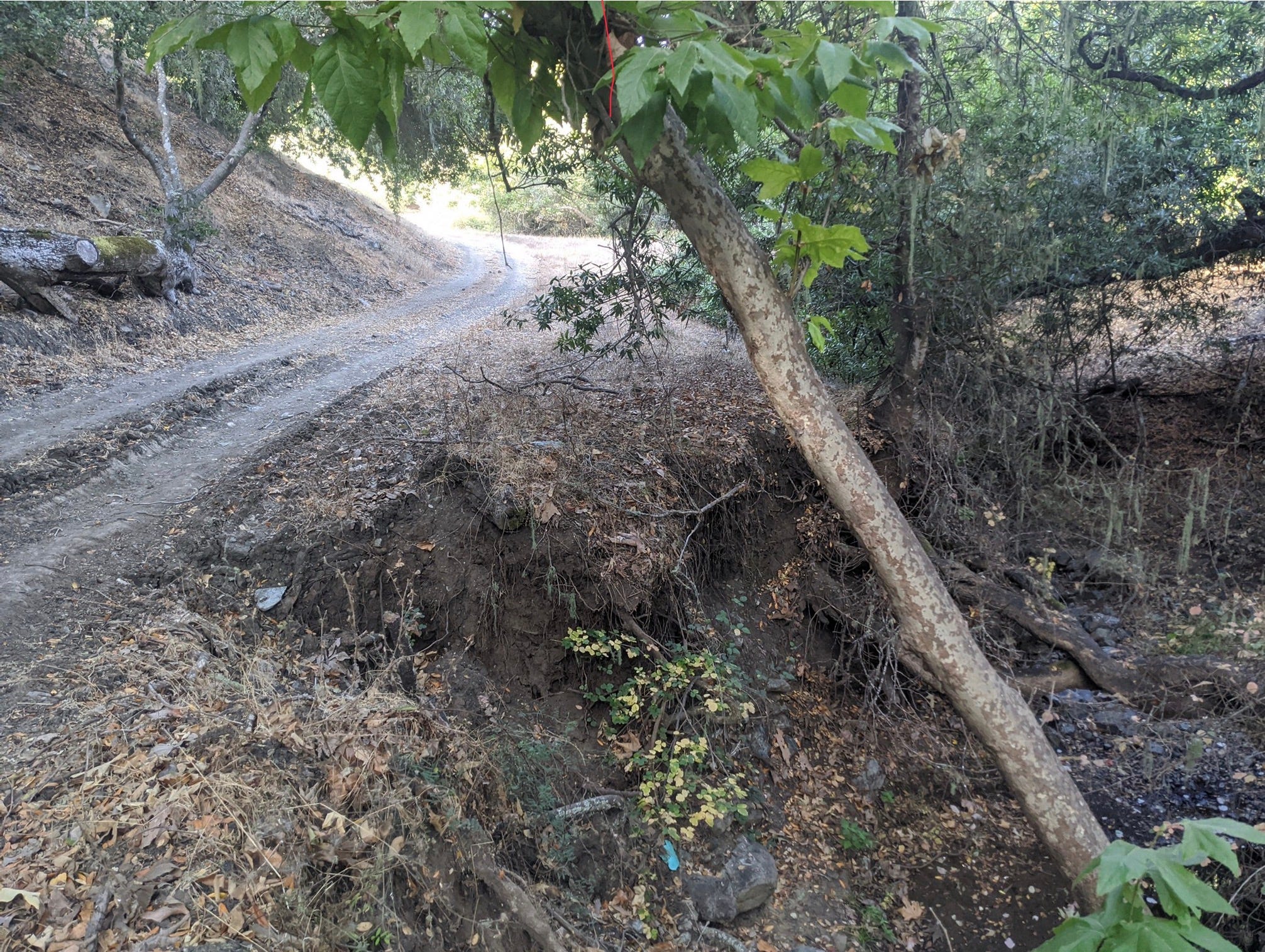
The main road to the back half of the ranch runs alongside Sycamore Creek — close enough that what happened to the creek was beginning to happen to the road. Years of runoff and repeated grading had narrowed sections to the width of a held breath. Lose that road and we’d lose practical access to half the ranch.
By spring, Aaron and Patrick were on site.
Between them, no job was too big for the equipment and no detail too small for their rock artistry. They armored banks, installed water bars, and built a rock chute. Perfectly normal Tuesday.
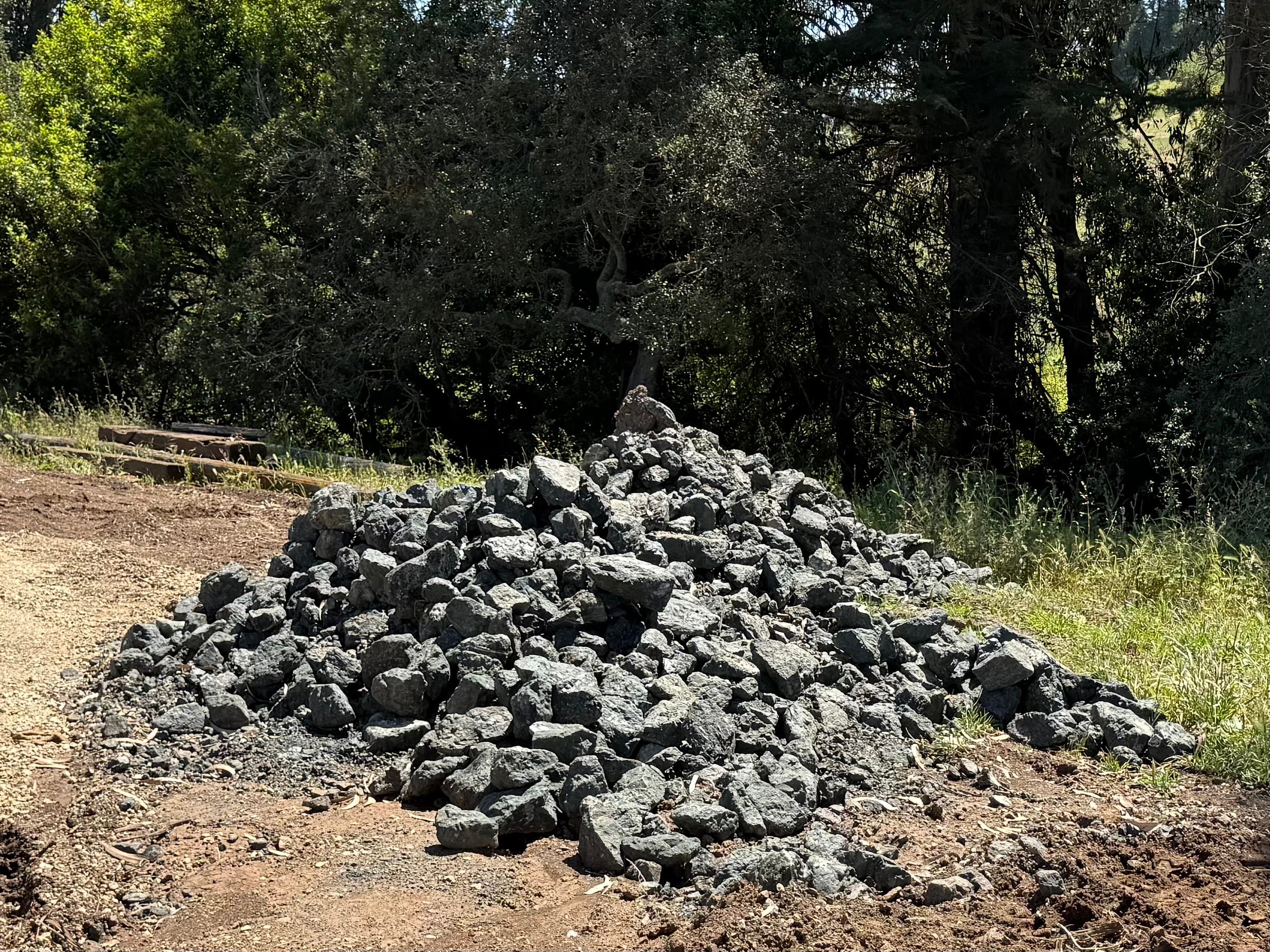
When they finished, a sizeable pile of leftover rock remained.
Wes offered to refund the unused material and apply it to another project elsewhere.
I told him to keep going.
That was the beginning of the pile.
At the time it looked like leftover material.
In hindsight, it was a project list.
Next came the Incident Site.
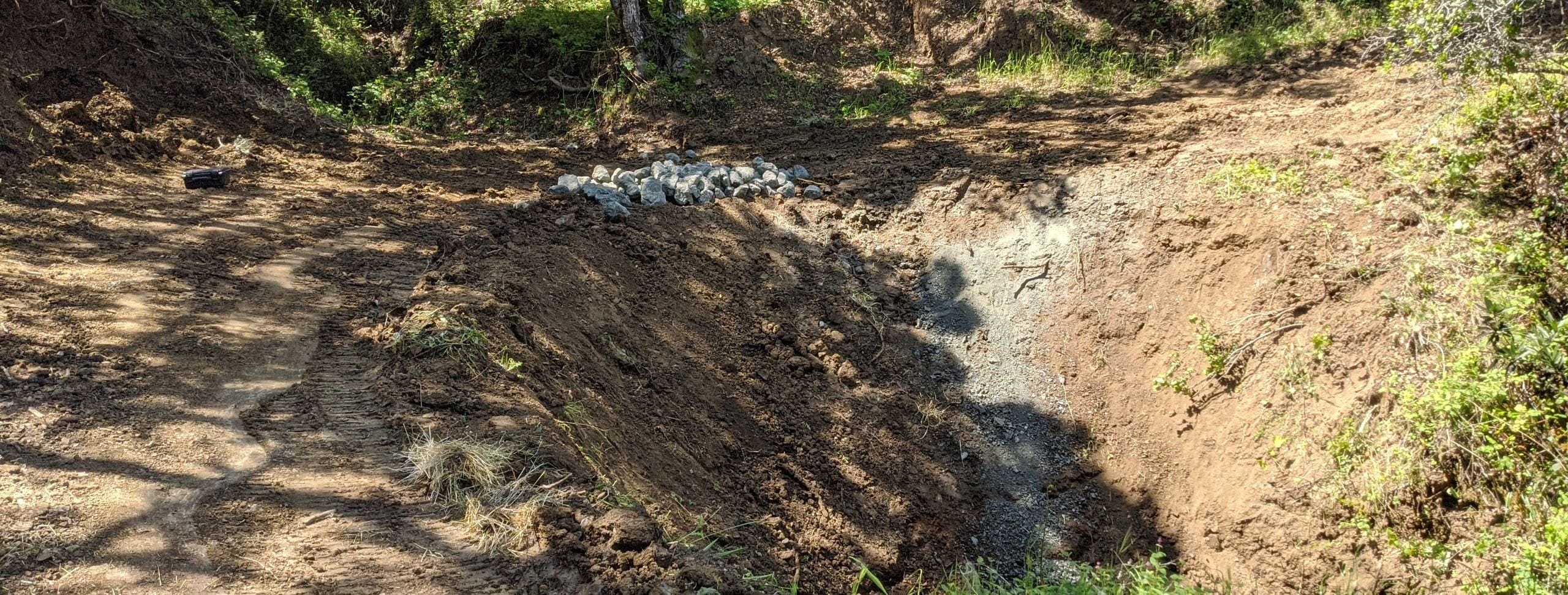
The plan was straightforward: an armored dip that would survive winter runoff without washing away.
What we learned is that an armored dip that does its job is, by definition, deep.
Deep enough that Nic Moss — a sheep man we’d hired for fire mitigation work — promptly bottomed out his truck and water trailer.
The tight turn didn’t help.
If you know anything about tractors, steep dips, and tight turns, you know they don’t require much encouragement to tip over.
Eventually the armored dip came out and a culvert went in.
Sometimes the first solution is simply a well-intentioned draft.
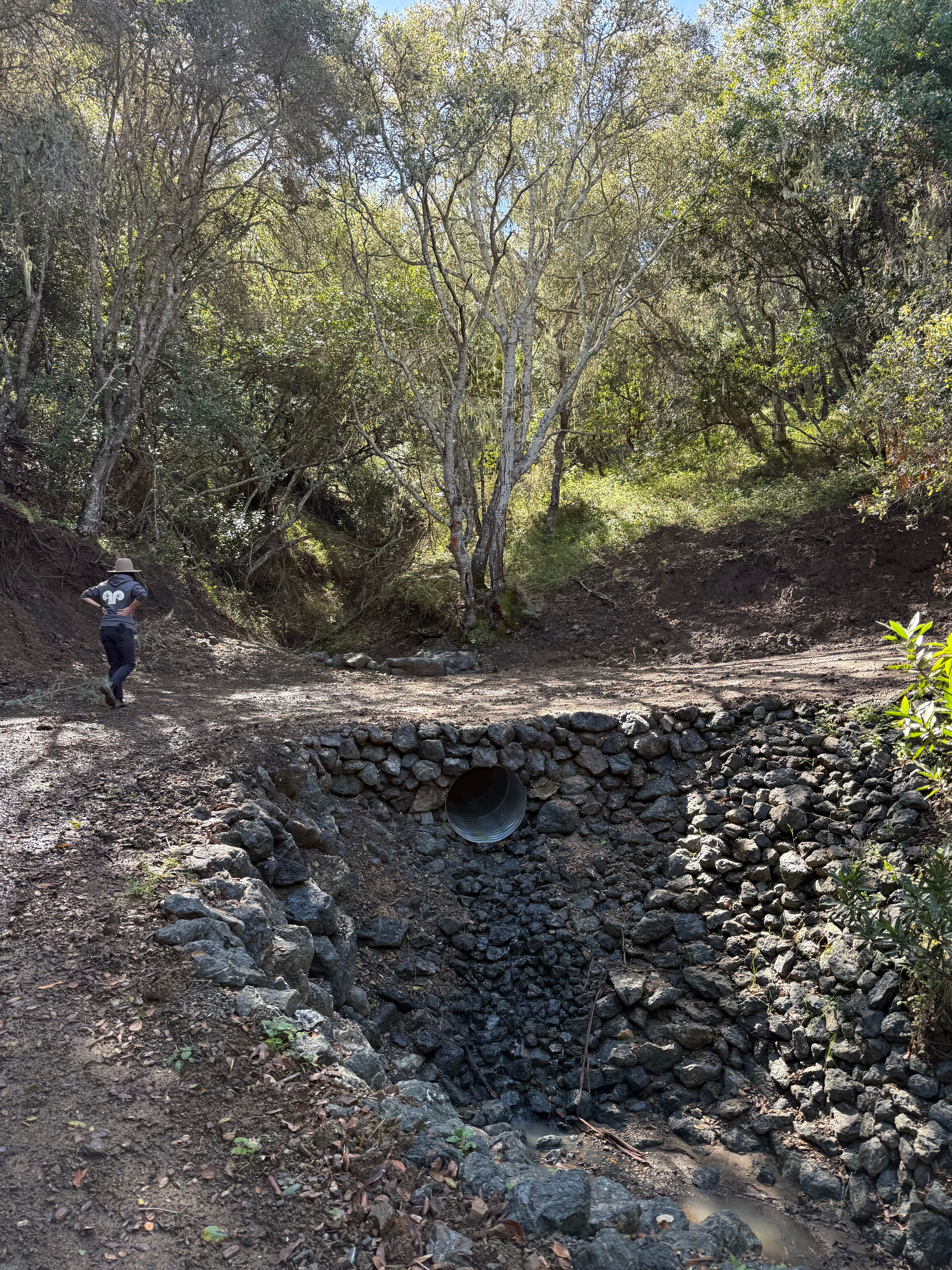
The leftover rock joined the pile.
Then came the Meadow Gate.
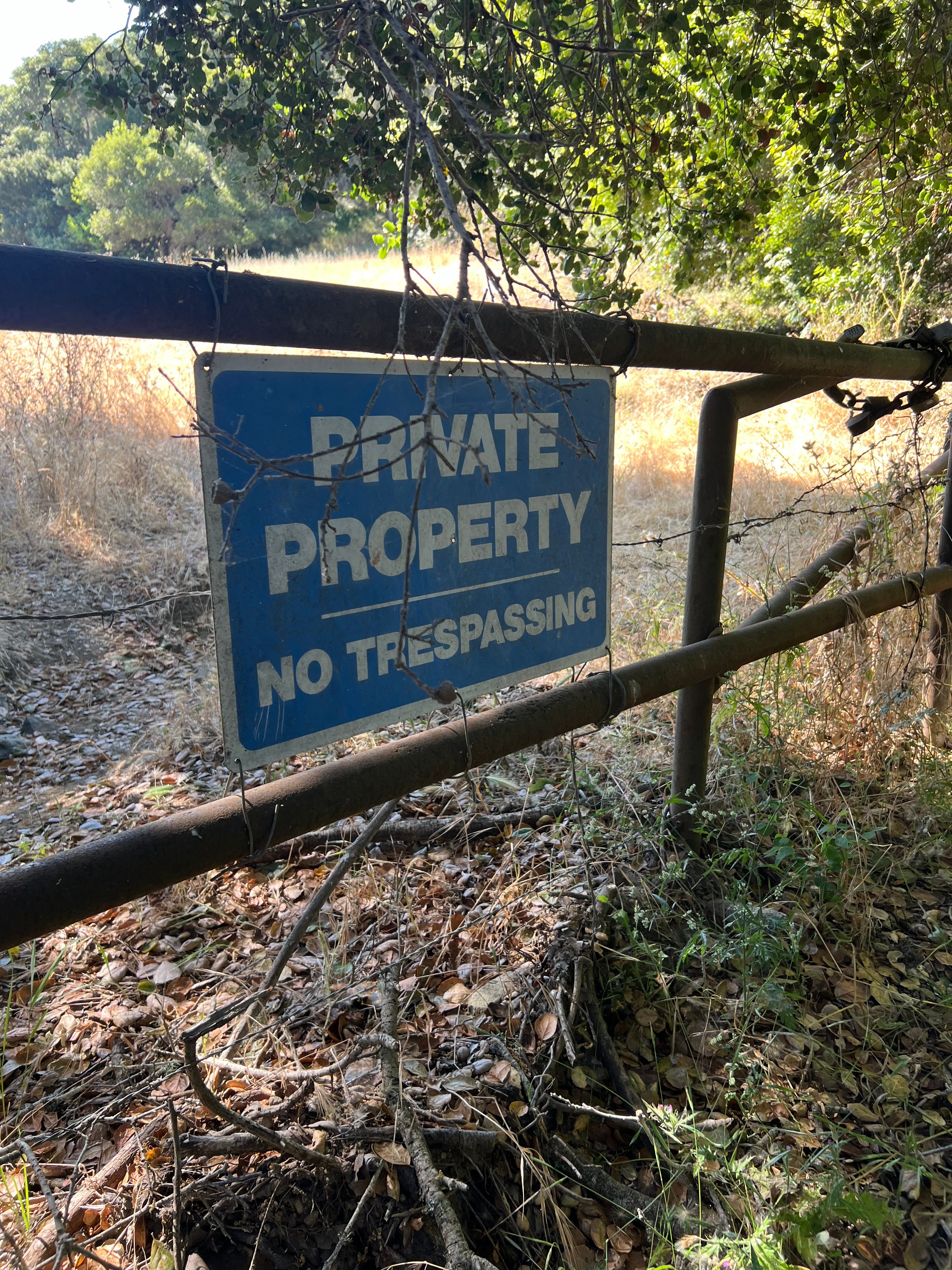
The drainage below the crossing had chosen that location as its preferred route downhill. Aaron and Patrick persuaded it to reconsider.
The leftover rock joined the pile.
By this point, Wes’s standing offer had become familiar.
I can refund the excess.
Or…
We can find another project.
The “other project” was always here.
The pile made sure of that.
The three urgent projects were never really three urgent projects.
They were an opening bid.
By then, the master plan had attached names to problems I hadn’t previously noticed. Places that had once looked like perfectly normal parts of the ranch suddenly revealed themselves as erosion problems waiting patiently for attention.
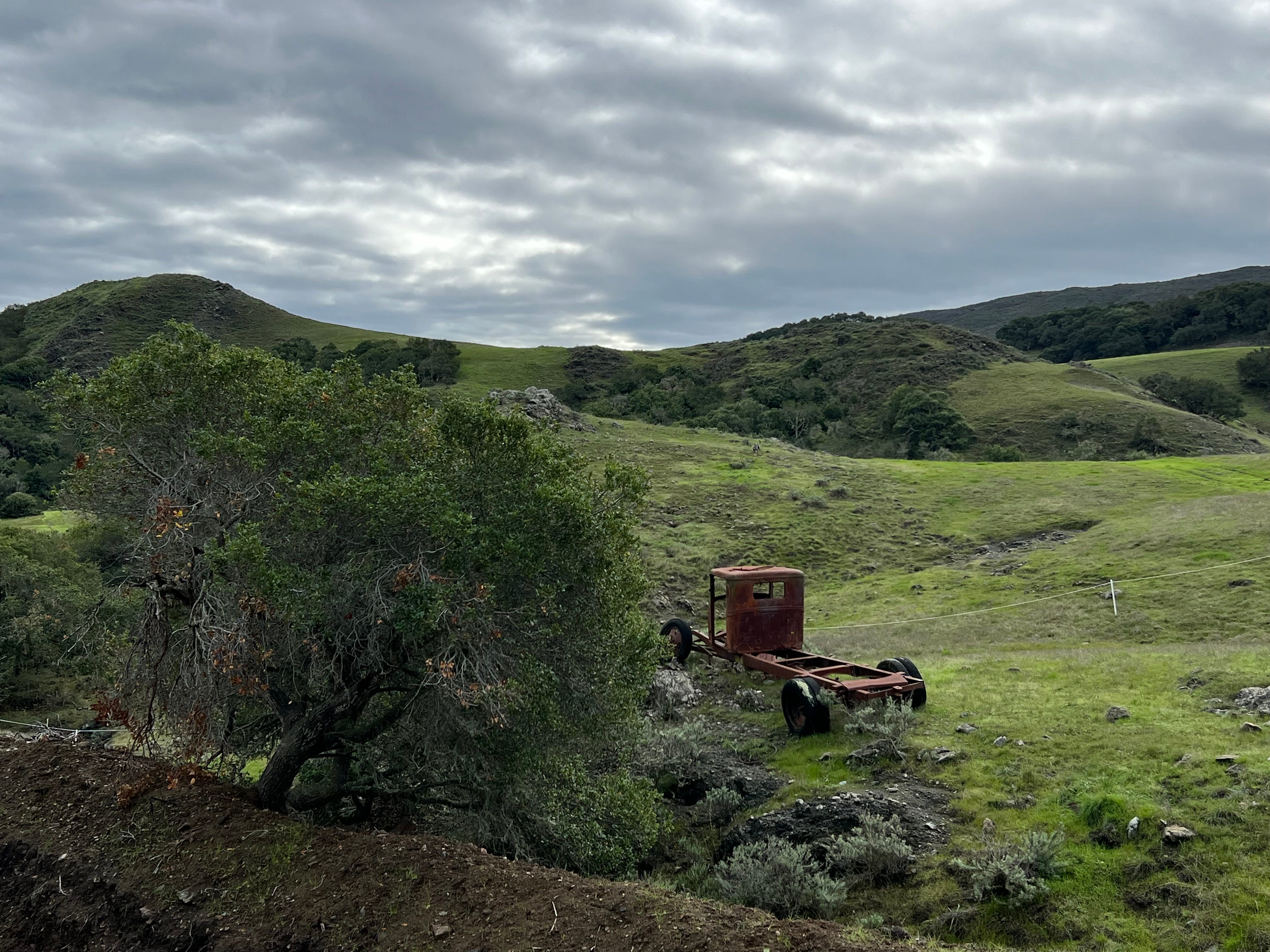
The Rusted Truck bend was next.
Then more weak sections of Sycamore Canyon Road.
Then the gate-to-big-barn stretch.
Every completed project seemed to reveal another.
And every time I started thinking we might be getting ahead of things, I’d notice the pile.
We’ve written before about the myth of finished.
The water work has done nothing to dispel it.
What it has taught us is that water has a longer to-do list than we do.
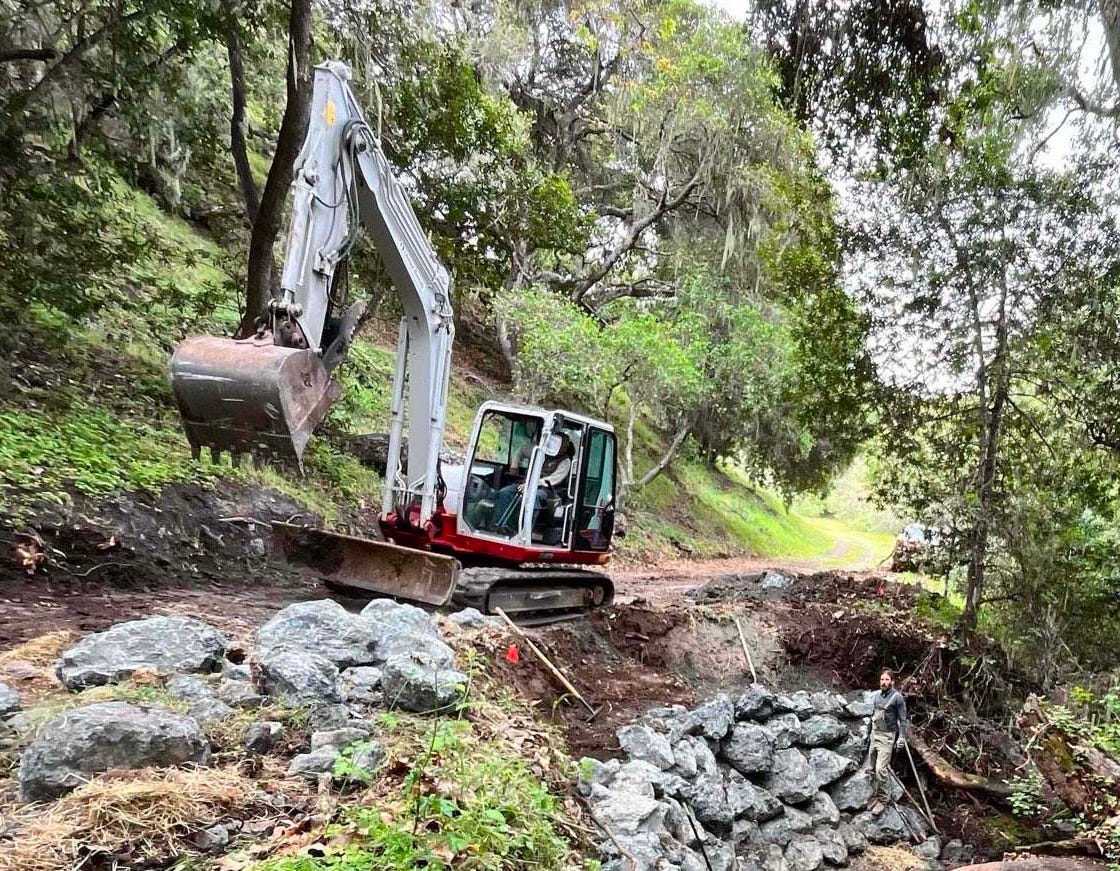
On any given day, you’ll find Aaron and Patrick somewhere on those roads, moving earth, setting stone, and quietly improving things that most visitors would never notice.
Rose thought she started all this.
The pile would argue otherwise.
Wes has a plan.
The pile already knows what it is.
Ready for the companion social posts whenever you are.
China Express has a deeelicious Zuni Bowl. Big serving.